How Do I Upload Digital Content to Google Play
Google Play provides you with inapp billing services to enable you to sell digital content from within your app. This service can be used to sell a wide range of content that includes downloadable content such as media files or photos, virtual content such every bit game levels or potions, premium services and features, and more.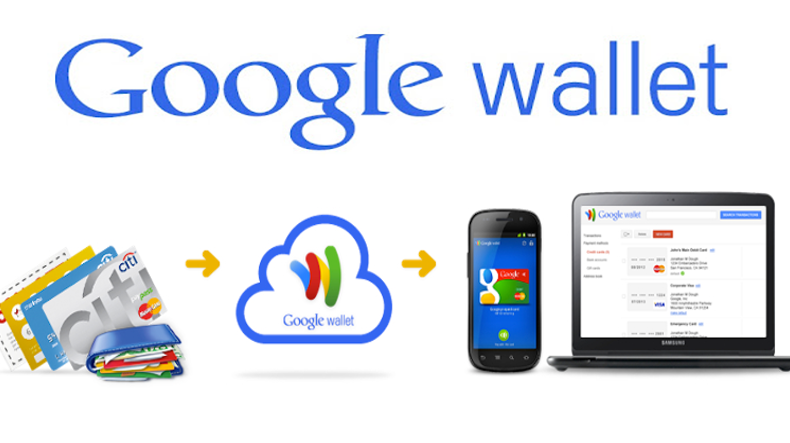
In-app Billing can be used for products like:
- Managed In app products : Managed Products enables you to sell content, services or features to users from inside your app one or more times with no time interval.
- Subscriptions, (recurring, automated billing) : This is a recurring process and yous tin cell products services and features inside your app with monthy or annual billing. Subscriptions can be for virtually any type of digital content and the app could be of any type – fifty-fifty a game.
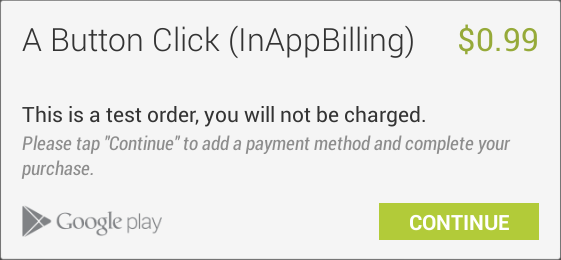
The good office is that your application does not accept to directly procedure any financial transactions when you lot use in-app billing service - Google Play handles all the checkout details. The checkout service used at the backend is the same that is used for application purchases. This provides users with a familiar purchase flow.
For implementing in-app billing, there is no special account or registration required. Whatsoever application that you publish on Google Play can be used. A Google Play Programmer Console account and a Google Wallet Merchant account will however exist required.
Google InApp Billing Version 3:
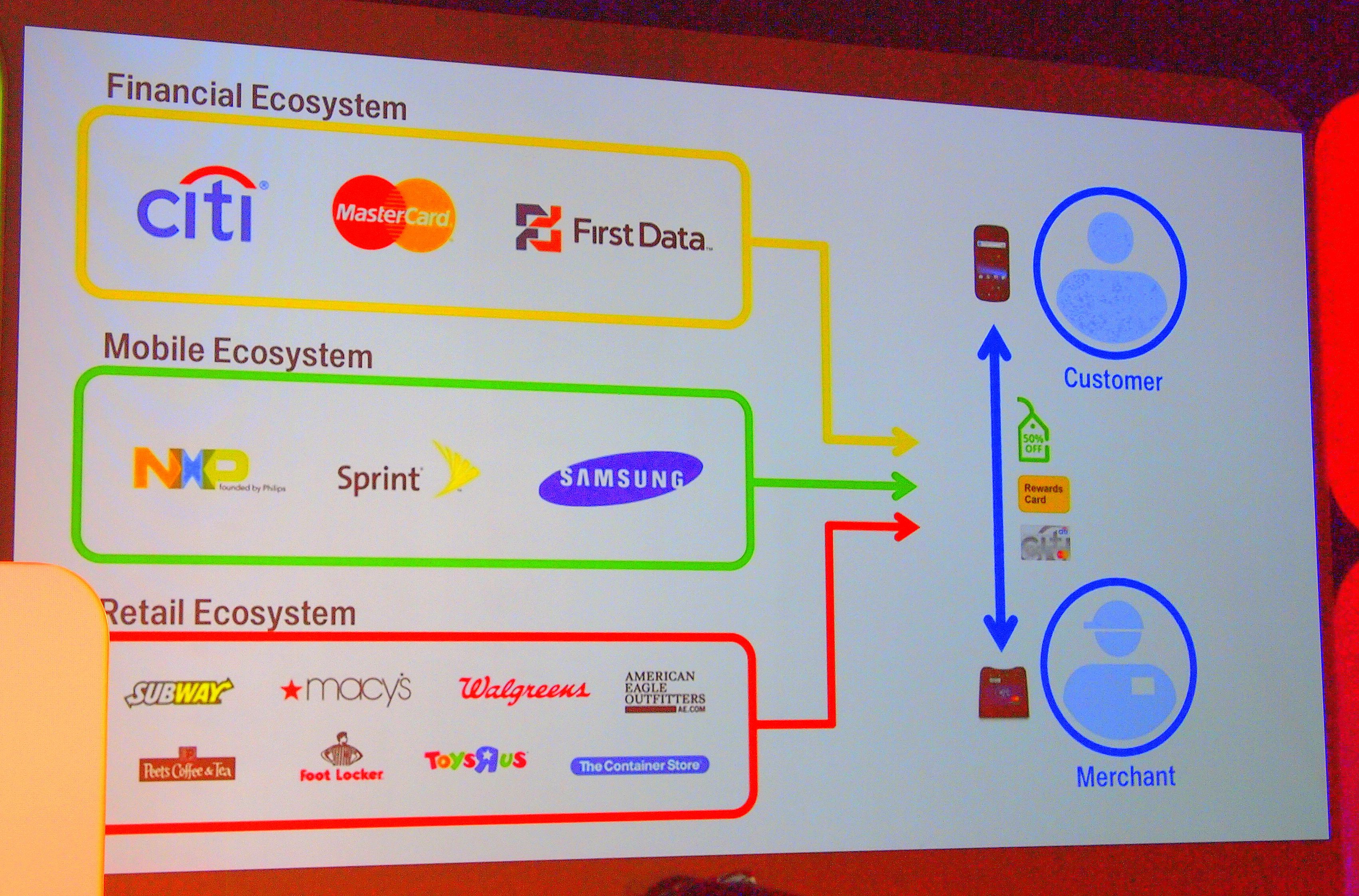
Google InApp Billing Version 3 API supports managed in-app products and subscriptions. This makes integration of in-app billing in your applications easy. This version comes with new features with improved synchronous purchase flow, APIs to let you track the ownership of goods and too enables local caching of in-app buy information.
Permit's accept a wait at the purchase flow with the version three API:
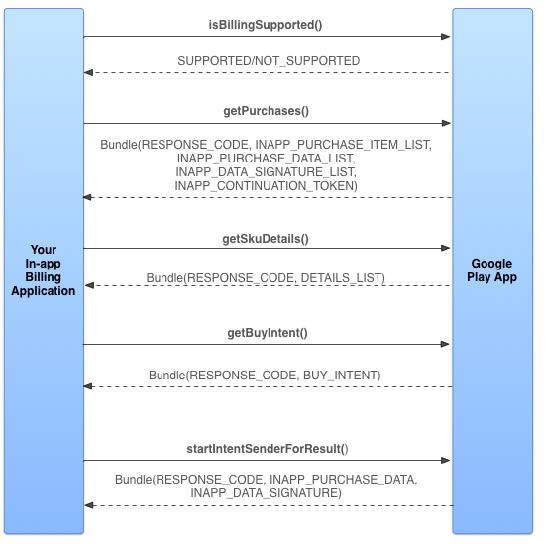
Your app sends a isBillingSupported request to Google Play to check version compatibility of your in-app billing API. getPurchases request is sent to know users Inapp purchases. If request is successful, Google Play returns package that contains a list of product IDs of the purchased items, a list of the individual purchase details, and a list of the signatures for the purchases. You lot can asking getskudetails if you desire to bear witness users all the products configured in the developer console. You can even initiate the purchase for an app if it is non owned past the user. In order to start a purchase request, transport a getBuyIntent asking. This request should contain the product id and other parameters. You lot should tape the product ID when you create a new in-app product in the Developer Console.
Consuming In-App Products
Google play records all successful purchases of in-app products by users. Once an in-app product is purchased by a user, information technology is said to be "owned". In-App products in the "owned" state cannot be then purchased from Google Play. The product is available merely when y'all send a consumption request to Google. This reverts the app to an "unowned" country. This process discards all the purchase data.
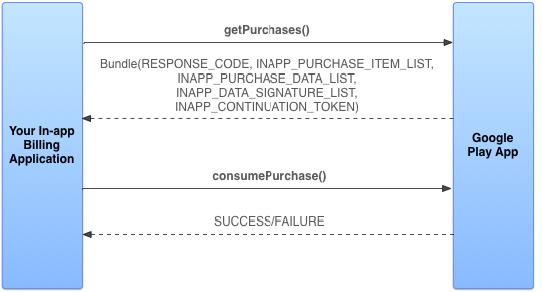
Basic sequence for consumption request:
- Requesting getPurchases to go listing of products owned by user.
- If we want user to make payment already owned products Nosotros should call consumePurchase asking for that product.
- Returns SUCCESS/FAILURE
In-App products – Consumable and Non-Consumable
This decision is left to you – you lot can select whether your product should be treated as non-consumable or consumable. Here's how they are different:
Non-consumable:
These items are permanently associated with the user'due south Google Account once purchased.
Consumable:
With consumable items, you can implement consumption and can be fabricated available for multiple items.
Provisioning of your in-app production ways dispensing the benefits or effects of the purchased particular in your application. This means that yous must send a consumption request to Google Play and receive a response for success that indicates that the consumption was recorded before you provision a consumable product.
Here's how you manage consumable purchases in your application:
Basic flow for buy of consumable products:
- getBuyIntent telephone call launches a purchase menses.
- If the buy is completed successfully, you go a response Package from Google Play.
- Consume the purchase with a swallow Purchase call.
- Google Play sends a response code if the consumption was successfully completed.
- If yes, you tin then provision the production in your awarding.
Afterwards that'due south done, whenever a user starts up or logs on to your application, and if he has whatsoever outstanding consumable in-app products, make certain that yous consume and provision them. Here's the recommended app startup menstruum if you implement consumable in-app products:
- Query the pre owned in-app products with the getPurchases request.
- In case at that place are any consumable in-app products, telephone call the consumePurchase.
- Ensure that you lot become a response code from Google Play for successful completion of consumption.
- After successful consumption, provision the product in your app.
Local Caching
Google Play customer caches the in app billing information locally this data tin can be queried past using Version 3 API. You can use the getPurchases call to get this information more often. Version 3 APIs process this request kickoff through cache instead of network connectedness. This greatly speeds up the response fourth dimension.
Reserved product IDs for testing static In-app Billing responses:
- android.test.purchased: An in-app billing request with this production ID generates a result from Google Play similar to a successfully purchased item. This typically includes a JSOM string with fake data for buy.
- android.test.canceled:In-app billing request with this product ID results in Google Play responding as idea the purchase was cancelled. This generally occurs when in that location is an error in the order process such every bit an invalid credit card or user's club existence cancelled before charging.
- android.test.refun
ded: When an in-App billing request is fabricated with this ID, Google Play generates a result as idea the purchase was refunded. Notation that refunds cannot be initiated via Google Play. They must be initiated by yous as a merchant. - android.exam.item_unavailable:With this production ID, Google Play responds every bit though the item that is beingness purchased is not in the listing of products on your application'south production list.
Setting up Exam purchases:
With this, y'all can test your in-app billing implementation by making actual purchases.
- Upload your signed APK application as a typhoon application to the Developer Panel.
- Add items to the application'south product listing. (Product Ids needs to used in code)
- Get Public key
- Install signed apk application on testing Android-powered device.
- Add Email Accounts from which device your testing as test accounts.
- Verify that your device is running a supported version of the Google Play application or the MyApps application.
- Make in-app purchases in your awarding.
Later on testing application with real transaction y'all can publish application. If you lot any doubts and so you tin contact to our expert android app developers.
Source: https://www.brainvire.com/sell-digital-content-applications-via-google-inapp-billing/
Belum ada Komentar untuk "How Do I Upload Digital Content to Google Play"
Posting Komentar